Embark on a journey to discover the wonders of nature with road trip stops tailored for enthusiasts seeking adventure and serenity. From lush national parks to sustainable travel tips, get ready to immerse yourself in the great outdoors.
As you plan your nature-focused itinerary, be prepared to witness breathtaking landscapes, encounter unique wildlife, and embrace the essence of sustainable travel practices. Let’s dive into the realm of natural beauty and conservation together.
Road Trip Stops for Nature Lovers
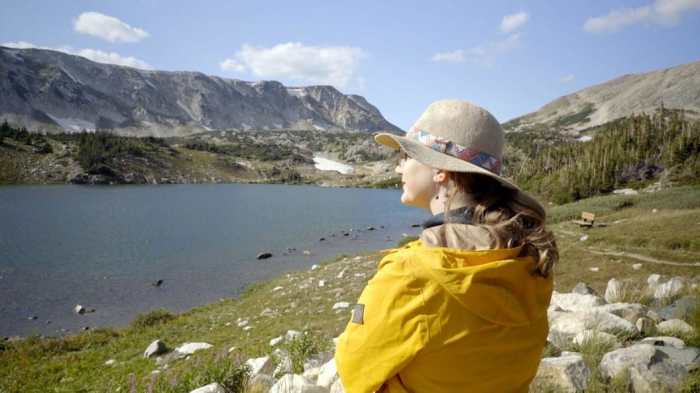
Exploring national parks and nature reserves is a fantastic way for nature lovers to connect with the great outdoors. Here are some top destinations and tips for planning a nature-focused road trip itinerary.
Top National Parks and Nature Reserves
- Yellowstone National Park – Known for its geothermal wonders like Old Faithful and diverse wildlife.
- Yosemite National Park – Iconic granite cliffs, waterfalls, and giant sequoias await visitors.
- Great Smoky Mountains National Park – Rich biodiversity, historic sites, and stunning mountain scenery.
- Grand Canyon National Park – A must-see for its breathtaking views and unique geological formations.
Tips for Planning a Nature-Focused Road Trip
- Research each destination in advance to understand park regulations, weather conditions, and popular trails.
- Pack essentials like hiking gear, water, snacks, and binoculars for wildlife spotting.
- Consider the season and time of day for the best wildlife viewing and hiking experiences.
- Respect nature by staying on designated trails, leaving no trace, and avoiding feeding wildlife.
Importance of Sustainable Travel Practices
When visiting natural attractions, it’s crucial to practice sustainable travel to minimize our impact on the environment. This includes:
- Reduce waste by bringing reusable items and disposing of trash properly.
- Conserve water by using it sparingly and following park guidelines for water usage.
- Support local conservation efforts by donating to park funds or participating in volunteer programs.
- Choose eco-friendly transportation options like carpooling or using public transit when possible.
Island Hopping
Island hopping is a popular activity among nature lovers seeking to explore the diverse ecosystems and stunning landscapes of different islands. It offers a unique way to experience a variety of wildlife and natural wonders in one vacation.
Popular Destinations for Island Hopping Adventures
Some popular destinations for island hopping adventures include:
- The Galapagos Islands: Known for its unique wildlife such as giant tortoises, marine iguanas, and blue-footed boobies.
- Hawaiian Islands: Home to lush rainforests, volcanic landscapes, and diverse marine life.
- Maldives: Famous for its crystal-clear waters, white sandy beaches, and colorful coral reefs.
Unique Wildlife Encounters During Island Hopping Trips
During island hopping trips, you can encounter a wide range of unique wildlife, such as:
- Swimming with sea turtles in the Galapagos Islands.
- Spotting dolphins and whales off the coast of Hawaii.
- Snorkeling with manta rays in the Maldives.
Benefits of Exploring Multiple Islands on a Single Vacation
Exploring multiple islands on a single vacation allows you to:
- Experience different cultures and traditions within the same region.
- Enjoy a diverse range of landscapes, from tropical beaches to volcanic mountains.
- Maximize your wildlife encounters by visiting various habitats and ecosystems.
Safari Adventure
Exploring the wilderness on a safari adventure is a dream come true for nature enthusiasts. The thrill of witnessing majestic animals in their natural habitat and the breathtaking landscapes make it a once-in-a-lifetime experience.
Best Safari Destinations
- Maasai Mara National Reserve, Kenya: Known for the Great Migration of wildebeest and zebras.
- Serengeti National Park, Tanzania: Home to a diverse range of wildlife including the Big Five.
- Okavango Delta, Botswana: A unique wetland teeming with wildlife, especially during the annual flood.
- Kruger National Park, South Africa: Offers a chance to spot the iconic African wildlife up close.
Safety Tips for Wildlife Encounters
- Always follow the guidance of your experienced guide to ensure a safe and enjoyable safari.
- Keep a safe distance from wild animals and never attempt to approach them on foot.
- Avoid making sudden movements or loud noises that could startle the animals.
- Respect the wildlife and refrain from feeding them or littering in their habitat.
Impact of Ecotourism on Wildlife Habitats
Ecotourism plays a crucial role in preserving wildlife habitats by raising awareness about conservation efforts and generating funds for protection programs. By promoting sustainable tourism practices, such as supporting local communities and minimizing environmental impact, ecotourism helps ensure the long-term survival of endangered species and their ecosystems.
Ski and Snowboarding Vacation
When it comes to planning a ski and snowboarding vacation, nature lovers have a plethora of picturesque locations to choose from. These destinations not only offer thrilling winter sports activities but also stunning natural landscapes to enjoy.
Picturesque Locations for Skiing and Snowboarding
For nature lovers looking to hit the slopes and enjoy the beauty of the winter season, here are some stunning locations to consider:
- Whistler Blackcomb, British Columbia, Canada
- Chamonix-Mont-Blanc, French Alps, France
- Niseko, Hokkaido, Japan
- Zermatt, Valais, Switzerland
- Telluride, Colorado, USA
Choosing Eco-Friendly Winter Sports Gear
It’s essential for nature lovers engaging in winter sports to consider eco-friendly options when it comes to gear. Look for brands that prioritize sustainability and use recycled materials in their products. Consider renting equipment locally to reduce your carbon footprint and support the community.
Respecting the Environment while Skiing and Snowboarding
While enjoying the thrill of skiing and snowboarding, it’s crucial to respect the environment and minimize your impact on the natural surroundings. Follow designated trails, avoid littering, and be mindful of wildlife habitats. By practicing Leave No Trace principles, you can ensure that these beautiful winter landscapes remain pristine for future generations to enjoy.
Tropical Paradise Escape
When it comes to tropical paradise escapes, there are hidden gems waiting to be discovered by nature lovers looking for a serene getaway amidst lush landscapes and crystal clear waters.
These tropical destinations hold immense cultural significance, often being home to indigenous communities with rich traditions and customs that have been preserved for generations. Exploring these cultures can provide a deeper understanding of the connection between people and nature in these pristine locations.
Sustainable Tourism Practices
- Engage in eco-friendly activities such as snorkeling or hiking that have minimal impact on the environment.
- Support local conservation efforts by visiting nature reserves or participating in community-led initiatives.
- Choose accommodations that prioritize sustainability, such as eco-lodges or resorts with green certifications.
- Respect wildlife and natural habitats by observing from a distance and following designated trails.
- Reduce plastic waste by carrying reusable water bottles and bags, and disposing of trash responsibly.
Backpacking Adventure
Embarking on a backpacking adventure through nature is a thrilling experience that allows you to immerse yourself in the great outdoors. As you trek through rugged landscapes, encounter diverse wildlife, and push your physical limits, it’s essential to be well-prepared for the journey ahead.
Essential Items for Backpacking Trip
When preparing for a nature-focused backpacking trip, it’s crucial to pack the right gear to ensure a safe and enjoyable experience. Some essential items to consider bringing along include:
- A sturdy backpack with proper support and padding
- High-quality hiking boots for comfortable and stable trekking
- A reliable tent for shelter during overnight stays
- Sleeping bag rated for the expected temperatures
- Water purification tablets or filtration system
- Nutritious and lightweight food options for energy on the go
- A map, compass, and GPS device for navigation
- First aid kit with essential medical supplies
- Multi-tool for various tasks and emergencies
Memorable Wildlife Encounters
During backpacking adventures, it’s not uncommon to come face to face with fascinating wildlife in their natural habitats. From majestic deer grazing in meadows to playful otters swimming in streams, these encounters create unforgettable moments that connect you with the beauty of the wilderness.
Mental and Physical Benefits of Backpacking
Backpacking in nature offers a multitude of mental and physical benefits that contribute to overall well-being. The physical exertion of hiking strengthens muscles, improves cardiovascular health, and boosts endurance. Additionally, the mental challenges of navigating trails, setting up camp, and overcoming obstacles foster resilience, problem-solving skills, and a sense of accomplishment.
Culinary Tour
Culinary tours offer a unique opportunity for travelers to not only indulge in delicious food but also to connect with nature through the local cuisine. The intersection of food and nature in culinary tours provides a deeper understanding of the region’s culture, traditions, and environment.
Local Food Experiences
- Sampling freshly caught seafood by the coast, connecting travelers with the ocean’s bounty and the local fishing communities.
- Visiting organic farms and vineyards to learn about sustainable agriculture practices and taste farm-to-table dishes made with fresh, local ingredients.
- Foraging for wild herbs, mushrooms, or fruits in the forest with a local guide, showcasing the abundance of natural resources available in the area.
- Participating in cooking classes using traditional recipes and methods passed down through generations, highlighting the importance of preserving culinary heritage.
Supporting Local Farmers
Supporting local farmers and sustainable food practices during culinary tours not only benefits the community but also promotes eco-conscious travel. By choosing to eat locally sourced foods, travelers reduce their carbon footprint and contribute to the preservation of traditional farming methods.
Wine and Vineyard Tour
Wine and vineyard tours are a perfect way for nature enthusiasts to enjoy the beauty of the countryside while savoring exquisite wines. Here we present a list of scenic vineyards and delve into sustainable winemaking practices and the importance of biodiversity in vineyard ecosystems.
Scenic Vineyards to Explore
- 1. Napa Valley, California: Known for its picturesque rolling hills and world-renowned wineries.
- 2. Marlborough, New Zealand: Stunning landscapes with vineyards set against a backdrop of mountains.
- 3. Tuscany, Italy: Charming vineyards dotting the countryside, offering breathtaking views.
- 4. Stellenbosch, South Africa: Rich in biodiversity, with vineyards nestled amidst mountains and valleys.
Sustainable Winemaking Practices
Winemakers are increasingly adopting sustainable practices to minimize their environmental impact. This includes:
- Utilizing organic and biodynamic farming methods to reduce chemical use.
- Implementing water conservation techniques such as drip irrigation systems.
- Using renewable energy sources like solar power in vineyard operations.
Role of Biodiversity in Vineyard Ecosystems
Biodiversity plays a crucial role in maintaining healthy vineyard ecosystems by:
- Promoting natural pest control through the presence of diverse plant and insect species.
- Enhancing soil health and fertility by creating a balanced ecosystem.
- Improving resilience to climate change and extreme weather events.
Yoga and Meditation Retreat
Finding the perfect serene natural settings for a yoga and meditation retreat is essential for practitioners looking to deepen their practice and connect with nature. The benefits of practicing yoga and meditation in such tranquil environments can be truly transformative, allowing individuals to find peace, clarity, and rejuvenation.
Serene Natural Settings for Retreats
Imagine a secluded beach with the sound of gentle waves in the background, a lush forest with sunlight filtering through the trees, or a serene mountain retreat with panoramic views. These natural settings provide the ideal backdrop for yoga and meditation practices, allowing participants to immerse themselves in the beauty and tranquility of nature.
Benefits of Connecting with Nature
- Enhanced mindfulness: Being in nature can help individuals cultivate a deeper sense of awareness and presence, enhancing their meditation practice.
- Stress reduction: The calming effects of nature can help reduce stress levels and promote relaxation, allowing for a more peaceful state of mind.
- Physical well-being: Practicing yoga outdoors can offer unique benefits, such as improved air quality and vitamin D exposure, contributing to overall health and well-being.
Importance of Environmental Conservation
Preserving the natural beauty of retreat locations is crucial for the sustainability of yoga and meditation practices. By protecting these environments, we ensure that future generations can also benefit from the healing power of nature. Environmental conservation efforts, such as reducing waste, promoting sustainable practices, and supporting local ecosystems, play a vital role in maintaining the integrity of these sacred spaces.
Festival-Based Vacation
When planning a festival-based vacation, nature lovers have the opportunity to immerse themselves in unique cultural celebrations that honor the natural world. These festivals not only showcase the beauty of the environment but also provide insights into the local traditions and customs that have been shaped by their surroundings.
Nature-Themed Festivals Around the World
- The Cherry Blossom Festival in Japan: A mesmerizing display of pink cherry blossoms that symbolize the beauty and transience of life.
- The Albuquerque International Balloon Fiesta in New Mexico, USA: A colorful spectacle of hot air balloons against the backdrop of the desert landscape.
- The Lantern Festival in Taiwan: Thousands of lanterns are released into the night sky, creating a magical display of lights.
Impact of Festivals on Local Ecosystems and Communities
While festivals can bring joy and cultural enrichment, they also have an impact on the environment and local communities. For example, large gatherings may generate waste that can harm ecosystems if not properly managed. Additionally, festivals can put a strain on resources such as water and energy, affecting the sustainability of the host community. It is essential for festival organizers and attendees to consider the environmental and social implications of their celebrations to ensure a harmonious relationship with nature.
Theme Park Vacation
Theme parks offer a unique blend of entertainment, excitement, and opportunities to experience nature and wildlife conservation efforts up close. While some theme parks focus on thrilling rides and attractions, others prioritize education and awareness about environmental conservation.
Nature and Wildlife Conservation at Theme Parks
Many theme parks have dedicated areas or exhibits that showcase different aspects of nature and wildlife conservation. These can include wildlife sanctuaries, botanical gardens, or educational programs that highlight the importance of protecting our planet’s ecosystems.
- Theme parks often partner with conservation organizations to support wildlife rehabilitation and research efforts.
- Some parks have implemented sustainable practices like recycling programs, energy-efficient facilities, and habitat restoration projects to minimize their environmental impact.
- Visitors can learn about endangered species, conservation challenges, and ways to get involved in conservation efforts through interactive exhibits and educational shows.
Tips for Enjoying Theme Parks Responsibly as a Nature Lover
As a nature lover visiting theme parks, there are ways to enjoy the attractions while respecting and appreciating the natural world around you.
- Choose theme parks that prioritize conservation and sustainability in their operations.
- Support wildlife-friendly attractions and avoid experiences that exploit animals for entertainment.
- Follow park guidelines on waste disposal, water conservation, and respecting wildlife habitats during your visit.
- Take the opportunity to learn about local flora and fauna, conservation challenges, and ways to make a positive impact on the environment.
Education and Awareness in Promoting Conservation at Theme Parks
Education plays a crucial role in promoting conservation efforts at theme parks, as it helps visitors understand the importance of protecting nature and wildlife for future generations.
- Theme parks can offer educational programs, guided tours, and interactive exhibits that raise awareness about conservation issues and inspire action.
- Collaborating with conservation experts, scientists, and educators can enhance the quality of educational content and provide visitors with valuable insights into wildlife conservation.
- Encouraging visitors to participate in conservation initiatives, volunteer programs, or fundraising efforts can empower them to make a difference in preserving natural habitats and species diversity.
Wildlife Watching Trip
Embark on a thrilling wildlife watching trip and immerse yourself in the beauty of nature while observing majestic creatures in their natural habitats.
Destinations with Exceptional Wildlife Watching Opportunities
- Maasai Mara National Reserve, Kenya: Witness the Great Migration of wildebeest and zebra, along with the opportunity to spot lions, elephants, and giraffes.
- Galapagos Islands, Ecuador: Explore a unique ecosystem where you can observe giant tortoises, marine iguanas, and blue-footed boobies.
- Yellowstone National Park, USA: Home to diverse wildlife such as grizzly bears, wolves, bison, and elk, against the backdrop of stunning geothermal features.
Ethical Guidelines for Observing Wildlife
When observing wildlife, it is crucial to follow ethical guidelines to ensure the well-being of the animals and the preservation of their habitats:
- Avoid approaching or feeding wild animals, maintain a safe distance to prevent disturbance.
- Respect protected areas and follow park rules and regulations to minimize human impact on wildlife.
- Do not litter or leave any trash behind, help in keeping the environment clean for the animals.
Importance of Responsible Wildlife Tourism
Responsible wildlife tourism plays a vital role in conservation efforts by raising awareness, supporting local communities, and contributing to the protection of endangered species. By choosing ethical wildlife watching practices, we can help safeguard the future of these magnificent creatures and their habitats.
Desert Adventure
Desert landscapes offer a unique and thrilling experience for adventurous nature lovers. The vast expanse of sand dunes, rocky canyons, and arid terrain present a stark yet beautiful environment to explore.
Survival Tips for Exploring Deserts Safely
- Stay Hydrated: Carry an ample water supply to prevent dehydration in the hot and dry desert climate.
- Protect Yourself from the Sun: Wear sunscreen, a wide-brimmed hat, and lightweight clothing to shield yourself from the intense desert sun.
- Navigate Carefully: Use a map, GPS, or compass to avoid getting lost in the vast desert landscape.
- Pack Essentials: Include first aid supplies, emergency food rations, and a signaling device in your backpack.
- Inform Others: Let someone know your planned route and expected return time before embarking on your desert adventure.
Flora and Fauna in Desert Environments
Desert ecosystems are home to a variety of unique plant and animal species that have adapted to survive in harsh conditions. Some common examples include:
- Desert Plants: Cacti, succulents, and drought-resistant shrubs are prevalent in desert regions, storing water to endure long periods of drought.
- Desert Animals: From camels and scorpions to desert foxes and snakes, desert wildlife has evolved fascinating adaptations to thrive in extreme heat and limited water sources.
- Bird Species: Raptors like eagles and hawks, as well as smaller birds like roadrunners and owls, can be found soaring through the desert skies.
Photography Expedition
Embarking on a photography expedition amidst nature’s wonders is a dream come true for many enthusiasts. Capturing the essence of landscapes, wildlife, and natural phenomena through the lens can create timeless memories and showcase the beauty of our planet.
List of Picturesque Locations for Nature Photography Expeditions
- 1. Banff National Park, Canada
- 2. Patagonia, Argentina
- 3. Yellowstone National Park, USA
- 4. Masai Mara National Reserve, Kenya
- 5. Great Barrier Reef, Australia
Tips on Capturing the Beauty of Nature Through Photography
- 1. Study the environment: Understand the lighting, weather conditions, and natural elements to plan your shots.
- 2. Use a tripod: Stabilize your camera for sharp, clear images, especially in low light or long exposure situations.
- 3. Experiment with perspectives: Try different angles, compositions, and focal lengths to create unique and captivating photos.
- 4. Patience is key: Nature photography requires waiting for the perfect moment, whether it’s a sunrise, wildlife interaction, or natural phenomenon.
- 5. Post-processing: Enhance your photos through editing software to bring out the best in your captures while maintaining the natural essence.
Role of Photography in Raising Awareness About Environmental Conservation
Photography plays a crucial role in raising awareness about environmental conservation by visually documenting the beauty of nature, highlighting conservation efforts, and showcasing the impact of human activities on ecosystems. Through powerful images, photographers can inspire action, promote sustainability, and advocate for the protection of our planet’s precious resources.
Fishing Trip
Fishing trips are a great way for nature enthusiasts to connect with the environment and enjoy the challenge of catching their own meal. It’s important to choose sustainable fishing destinations to help preserve aquatic ecosystems for future generations.
Sustainable Fishing Destinations
- Alaska: Known for its abundant salmon populations, Alaska offers sustainable fishing practices and breathtaking natural beauty.
- Costa Rica: With strict regulations in place, Costa Rica is a great destination for eco-friendly fishing trips in the rich waters of the Pacific and the Caribbean.
- New Zealand: Home to diverse marine life, New Zealand promotes sustainable fishing practices and conservation efforts.
Memorable Fishing Experiences
- Catching a giant marlin off the coast of Hawaii while surrounded by dolphins and sea turtles.
- Fly fishing in the clear waters of a mountain stream in Colorado and enjoying the peaceful surroundings of the Rocky Mountains.
- Reeling in a trophy trout in the pristine lakes of Patagonia, Argentina, with the Andes Mountains as a stunning backdrop.
Importance of Catch-and-Release Practices
Catch-and-release practices are crucial for preserving aquatic ecosystems and ensuring the sustainability of fish populations. By releasing fish back into the water unharmed, anglers can help maintain the balance of marine life and protect vulnerable species. Remembering to handle fish with care, use barbless hooks, and minimize the time out of water are essential practices to follow for successful catch-and-release fishing trips.
Diving and Snorkeling Vacation
Embark on a thrilling underwater adventure with a Diving and Snorkeling Vacation, where you can explore vibrant marine ecosystems and encounter fascinating sea creatures.
Vibrant Underwater Ecosystems
When diving or snorkeling, you will have the opportunity to witness the beauty of coral reefs, colorful fish, sea turtles, and other marine life thriving in their natural habitat. The crystal-clear waters provide an immersive experience like no other, allowing you to connect with the underwater world.
Tips for Protecting Marine Life
- Avoid touching or disturbing marine animals and coral reefs to prevent harm to their delicate ecosystems.
- Use reef-safe sunscreen to protect coral reefs from harmful chemicals that can contribute to their degradation.
- Dispose of trash properly and participate in beach clean-up efforts to keep the marine environment clean and healthy.
Impact of Climate Change
Climate change poses a significant threat to coral reefs and marine biodiversity, leading to coral bleaching, ocean acidification, and habitat loss for marine species. By raising awareness and taking action to reduce carbon emissions and protect marine ecosystems, we can help mitigate the impact of climate change on our oceans.
Cycling Vacation
Embark on a cycling vacation and immerse yourself in the beauty of nature while enjoying the health benefits of this eco-friendly mode of transportation.
Scenic Cycling Routes
Explore picturesque cycling routes that wind through stunning landscapes, from coastal trails with ocean views to mountain paths with panoramic vistas. Pedal through lush forests, charming villages, and serene countryside, taking in the sights and sounds of nature up close.
Health Benefits of Cycling
- Cycling improves cardiovascular fitness, strengthens muscles, and enhances overall endurance.
- It helps in reducing stress, boosting mood, and promoting mental well-being through the release of endorphins.
- Regular cycling can aid in weight management, improve joint mobility, and increase stamina.
Sustainable Transportation
Choosing cycling as a mode of transportation promotes eco-friendly travel by reducing carbon emissions and minimizing the impact on the environment. By opting for sustainable transportation options like cycling, you can contribute to the preservation of natural habitats and the conservation of wildlife.
Sailing and Yachting Vacation
When it comes to experiencing the beauty of nature from a unique perspective, a sailing and yachting vacation offers an unparalleled opportunity. Setting sail on the open waters allows nature enthusiasts to explore breathtaking destinations and immerse themselves in the wonders of the marine world.
Breathtaking Sailing Destinations
Embarking on a sailing or yachting vacation opens up a world of stunning destinations for nature lovers to enjoy. From the crystal-clear waters of the Caribbean to the rugged coastlines of the Mediterranean, each location offers its own unique charm and natural beauty. Whether cruising along the Great Barrier Reef in Australia or navigating the fjords of Norway, the sense of awe and wonder that comes from sailing through these picturesque landscapes is truly unmatched.
Responsible Boating Practices
It is crucial for sailors and yachters to practice responsible boating habits to protect the delicate marine environments they are exploring. This includes following designated boating routes, properly disposing of waste, and respecting wildlife and marine life. By taking these measures, enthusiasts can help preserve the natural ecosystems they are privileged to witness during their travels.
Connection between Sailing and Nature Appreciation
Sailing and yachting offer a unique opportunity to connect with nature on a profound level. The gentle sway of the boat, the sound of the wind in the sails, and the endless expanse of the sea all serve to create a sense of harmony with the natural world. Being surrounded by the beauty of the ocean and coastline while sailing allows travelers to appreciate the wonders of nature in a way that is both peaceful and exhilarating.
Golf Vacation
Planning a golf vacation for nature lovers involves selecting eco-friendly golf courses that are surrounded by stunning natural landscapes. Not only can golfers enjoy their favorite sport, but they can also appreciate the beauty of the environment around them.
Eco-Friendly Golf Courses
- Stonebridge Golf Club in New Hampshire, USA: This course is known for its sustainable practices, including water conservation and wildlife habitat preservation.
- Barnbougle Dunes in Tasmania, Australia: Situated along the coast, this course offers breathtaking views of the ocean and dunes while prioritizing environmental stewardship.
- Pebble Beach Golf Links in California, USA: With stunning views of the Pacific Ocean, this course implements eco-friendly measures such as water recycling and native plant landscaping.
Minimizing Environmental Impact
- Use biodegradable golf tees and balls to reduce plastic waste.
- Stay on designated paths to avoid damaging sensitive ecosystems.
- Carpool or use eco-friendly transportation to reduce carbon emissions.
- Support golf courses that prioritize sustainability and conservation efforts.
Biodiversity Conservation
Golf courses play a crucial role in biodiversity conservation by providing habitats for various plant and animal species. Maintaining natural areas, preserving water quality, and planting native vegetation are essential practices for promoting biodiversity on golf courses. By integrating conservation efforts into golf course management, players can enjoy the game while contributing to environmental sustainability.
Art and Architecture Tour
Exploring architectural wonders in natural settings can be a captivating experience for art enthusiasts. The seamless integration of art and architecture with the environment creates a harmonious blend that is truly awe-inspiring.
Architectural Marvels in Natural Settings
- The Fallingwater House in Pennsylvania, designed by Frank Lloyd Wright, is a masterpiece of organic architecture that beautifully integrates with the surrounding waterfall and forest.
- The Sagrada Familia in Barcelona, Spain, designed by Antoni Gaudí, showcases intricate details inspired by nature, with tree-like columns and colorful mosaic patterns.
- The Lotus Temple in Delhi, India, designed by Fariborz Sahba, resembles a blooming lotus flower and is surrounded by lush gardens, offering a serene atmosphere for visitors.
Artists Inspired by Nature
- Vincent van Gogh’s famous painting “Starry Night” reflects his deep connection to nature and the night sky, capturing the beauty and mystery of the natural world.
- Georgia O’Keeffe’s large-scale flower paintings celebrate the intricate beauty of flowers and plants, showcasing nature’s vibrant colors and textures.
- Andy Goldsworthy creates stunning land art installations using natural materials like stones, leaves, and ice, highlighting the ephemeral beauty of the natural world.
Art and Architecture for Environmental Conservation
- Green architecture focuses on sustainable design practices that minimize environmental impact and promote energy efficiency, incorporating elements like green roofs, solar panels, and natural ventilation systems.
- Public art installations in urban spaces can raise awareness about environmental issues and inspire communities to take action towards conservation and preservation of natural resources.
- Artists and architects collaborate on projects that aim to restore and revitalize natural habitats, such as creating wildlife corridors, green spaces, and eco-friendly buildings that coexist harmoniously with nature.
Ending Remarks
As you reflect on the diverse road trip stops for nature lovers, remember to tread lightly, appreciate the environment, and support conservation efforts. Whether you seek a tranquil escape or thrilling wildlife encounters, the world is yours to explore responsibly and with a deep love for nature.
Answers to Common Questions
What are some essential tips for planning a nature-focused road trip?
Consider diverse national parks, pack eco-friendly essentials, and support local conservation efforts along the way.
How can travelers practice sustainable travel when visiting natural attractions?
Opt for eco-friendly accommodations, minimize waste, and respect wildlife habitats during your adventures.
Which national parks offer the best experiences for nature lovers on a road trip?
Yellowstone, Yosemite, Grand Canyon, and Great Smoky Mountains are among the top choices for breathtaking natural beauty and wildlife encounters.